

Rehabilitation & Therapy: Occupational Therapy
Skip physician searchFind a Provider
1 Criteria Search
Occupational Therapy in Iowa: Get Back to Daily Life
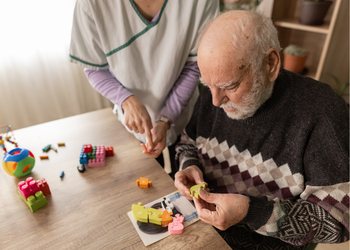 Occupational therapy helps children and adults build, regain, or maintain the skills needed for everyday life.
At Iowa Specialty Hospitals & Clinics, occupational therapy may help with injuries, surgery recovery, neurologic conditions, hand and upper-body problems, daily activities, pediatric needs, driving, mobility, and more.
What Is Occupational Therapy?
Occupational therapy (OT) helps people participate more safely and independently in the activities that matter to them. These activities may include:
- Getting dressed
- Preparing meals
- Working
- Attending school
- Driving
- Caring for family
- Enjoying hobbies
In occupational therapy, the word occupation does not simply mean your job. It refers to the everyday activities that fill your life and give it purpose. Occupational therapists look at what you want or need to do, what is making it difficult, and what changes could help.
OT treatment may involve building strength or coordination, practicing daily tasks, learning new ways to complete activities, using adaptive equipment, or changing your home or work environment. Our goal is to help you do more of what matters with greater safety, confidence, and independence.
What Does Occupational Therapy Help With?
Iowa Specialty Hospitals & Clinics provides occupational therapy for a wide range of physical, neurologic, developmental, and daily living needs.
Occupational therapy may help with:
- Hand, wrist, elbow, and shoulder conditions
- Sprains, strains, and upper-extremity injuries
- Recovery after joint or upper-extremity surgery
- Stroke and other neurologic conditions
- Work-related injuries
- Pediatric and developmental needs
- Lymphedema and wound care
- Daily activities such as dressing, bathing, and eating
- Vision-related challenges
- Wheelchair positioning and assessments
- Driving assessments
Occupational Therapy Services in Iowa
Your occupational therapy treatment plan is based on your abilities, challenges, environment, and personal goals.
Daily Living & Independence
An occupational therapist can help you relearn or adapt everyday activities such as dressing, bathing, grooming, eating, cooking, household tasks, and other routines.
Treatment focuses on finding practical ways to complete these activities as safely and independently as possible.
Hand & Upper-Extremity Therapy
Injuries and conditions affecting the hand, wrist, elbow, or shoulder can make even simple tasks difficult.
Occupational therapy may help improve strength, coordination, movement, and function after an injury, strain, sprain, orthopedic condition, or surgery. Hand therapy and splinting may also be part of treatment when appropriate.
Neurological Occupational Therapy
A stroke or other neurologic condition can change how you move, think, coordinate movements, or complete everyday tasks.
Occupational therapy can help patients practice important skills, develop new strategies, and adapt activities or environments to support greater independence.
Pediatric Occupational Therapy
Occupational therapy for children helps them develop skills needed for play, learning, self-care, and daily routines.
Depending on the child’s needs, therapy may work on fine motor skills, coordination, sensory processing, handwriting, dressing, feeding, or other activities that support development and independence. Occupational therapy can serve people across the lifespan, including children with developmental delays or physical challenges.
Geriatric Occupational Therapy
Occupational therapy for seniors helps older adults stay safe, independent, and active in daily life. It can support people with arthritis, Parkinson’s disease, dementia, memory changes, vision loss, or general physical decline.
Treatment may focus on fall prevention, home safety, memory strategies, daily routines, adaptive equipment, and easier ways to complete tasks such as dressing, cooking, bathing, and managing medications. Occupational therapists can also recommend changes that make it safer to age at home as independently as possible.
Work, Home & Adaptive Equipment
Sometimes the activity is only part of the challenge. The surrounding environment may also need to change.
Occupational therapists may evaluate home or work settings and recommend modifications, adaptive equipment, or new ways to complete tasks. Iowa Specialty Hospitals & Clinics also offers wheelchair and driving assessments.
When Should You See an Occupational Therapist?
Consider an occupational therapy evaluation when an injury, illness, surgery, disability, or other health change makes everyday activities harder.
You may benefit from OT if you:
- Have trouble dressing, bathing, eating, or completing household tasks
- Struggle to use your hand, wrist, elbow, or shoulder
- Need help returning to work after an injury
- Have difficulty with coordination or fine motor skills
- Are recovering from surgery or a stroke
- Need help using adaptive equipment
- Have concerns about driving or wheelchair positioning
- Have a child who needs support with daily or developmental skills
You do not have to lose all independence before asking for help. Occupational therapy can also identify strategies that make difficult activities safer or easier.
What Are the Benefits of Occupational Therapy?
The main goal of occupational therapy is to help you participate more fully in daily life.
Depending on your needs, OT may help you:
- Become more independent with everyday activities
- Improve hand and upper-body function
- Return to work, school, or hobbies
- Use adaptive equipment safely
- Adjust your home or workplace
- Develop strategies for physical or cognitive challenges
- Improve safety during daily routines
Occupational therapy focuses on meaningful activities and adjusts treatment to the individual rather than using the same approach for every patient.
Get Back to the Activities That Matter
Everyday tasks should not feel out of reach because of an injury, illness, surgery, or other health challenge.
The occupational therapy team at Iowa Specialty Hospitals & Clinics can help you build skills, adapt activities, and find practical ways to become safer and more independent.
Ready to get back into your routine?
To learn more about occupational therapy, give us a call:


