

Pediatrics: Well-Child Visits
Skip physician searchFind a Provider
1 Criteria Search
Healthy Growth Starts With Regular Well-Child Checkups
Kids grow quickly, and their healthcare needs to change as they do.
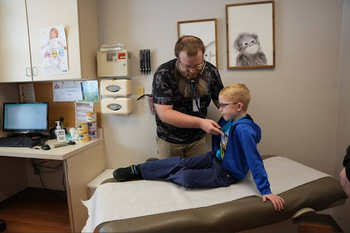 Well-child exams give your child’s healthcare provider time to check their growth, development, physical health, and emotional well-being before a concern becomes a bigger problem. They also give parents a chance to ask questions about sleep, nutrition, behavior, school, safety, and other parts of everyday life.
At Iowa Specialty Hospitals & Clinics, our family medicine providers care for patients of all ages, including infants, children, and teens. Regular visits help us get to know your child, follow their health over time, and provide care that fits each stage of growth. Iowa Specialty Hospital’s Family Medicine team provides primary care for children and adults, including preventive care and well-child visits.
To find a family medicine provider or schedule an appointment, visit our Family Medicine Providers page or call 844-474-4321.
What Happens During a Well-Child Visit?
Each appointment changes as your child grows. Your child’s visit may include:
- Measuring height and weight
- Checking heart rate and blood pressure when appropriate
- Completing a physical exam
- Tracking growth over time
- Reviewing developmental milestones
- Checking hearing and vision
- Discussing behavior and emotional health
- Reviewing eating and sleep habits
- Giving recommended immunizations
- Discussing safety at home, school, and during activities
- Answering questions from parents and children
Well-child care looks beyond physical health. Providers may also assess speech, motor skills, mental health, and social and emotional development based on the child’s age.
Why Are Well-Child Visits Important?
Your child does not need to be sick to benefit from seeing their healthcare provider.
Regular checkups give your provider a chance to see how your child is doing over time.
Track Growth
Children grow at different rates. Measuring height, weight, and other age-appropriate factors at each visit helps your provider follow your child’s growth pattern and notice meaningful changes.
Follow Development
Learning to talk, walk, interact with others, and complete everyday tasks happens over time.
Well-child visits give families and providers a chance to discuss developmental milestones, learning, behavior, and social skills. Regular monitoring can also help identify concerns earlier.
Stay Up to Date on Vaccines
Your provider can review your child’s immunization history and recommend vaccines based on current guidelines, age, health history, and other factors.
Support Emotional & Behavioral Health
A child’s mental and emotional health is part of their overall health.
As children grow, appointments can include conversations about:
- Emotions
- Behavior
- School
- Friendships
- Stress
- Attention
- Anxiety or depression
- Family changes
The topics will depend on your child’s age and individual needs.
Give Parents Time to Ask Questions
Not every parenting question requires a sick visit.
Well-child appointments give you a regular time to ask about things such as:
- Is my child eating enough?
- Is this sleep pattern normal?
- When should my child start talking?
- Is this behavior typical for their age?
- How much physical activity does my child need?
- Should I be concerned about school performance?
How Often Should Children Have Well-Child Visits?
Young children need more frequent checkups because they grow and develop quickly.
The American Academy of Pediatrics' Bright Futures schedule includes well-child visits throughout infancy, childhood, adolescence, and young adulthood.
| Age | Typical Well-Child Visit Schedule |
|---|---|
| Newborn | 3–5 days after birth |
| First Year | 1, 2, 4, 6, 9, and 12 months |
| Toddler Years | 15, 18, 24, and 30 months |
| Ages 3 & Older | Typically once each year |
The recommended schedule continues annually through adolescence and young adulthood.
Your child may need additional appointments based on their health, development, medications, or other needs.
Well-Child Visits for Babies
The first few years include some of the fastest changes in a child’s life.
During infant well-child visits, your provider can monitor growth and development while talking with you about topics such as:
- Feeding
- Sleep
- Developmental milestones
- Movement
- Safe sleep and home safety
- Immunizations
- Starting solid foods
- Changes you may notice as your baby grows
Because infants change so quickly, the recommended well-child schedule includes several visits during the first year.
Well-Child Visits for Toddlers & Preschoolers
As children become more independent, appointments begin to focus on new stages of development.
Your provider may discuss:
- Speech and language
- Walking and motor coordination
- Toilet training
- Eating habits
- Sleep
- Behavior
- Social skills
- Learning
- Vision and hearing
- Preschool or school readiness
- Home and car safety
This is also a good time to talk with your provider about any changes or concerns with how your child moves, communicates, learns, or interacts with others.
Well-Child Visits for School-Age Children
School introduces new routines, responsibilities, and social experiences.
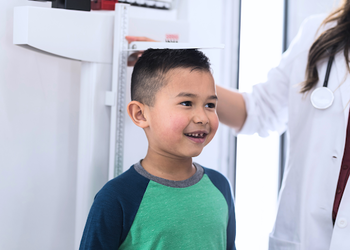 Well-child visits can help monitor your child’s physical health while also providing time to discuss:
- Growth
- Nutrition
- Physical activity
- Sleep
- School performance
- Attention or learning concerns
- Friendships
- Emotional health
- Screen time
- Sports and activities
Regular visits also build a health history your provider can use to recognize changes over time.
Well-Child Visits for Teens
Adolescence brings major physical, emotional, and social changes. A well-child visit gives teens a chance to talk with their healthcare provider about their health and ask questions as they become more involved in managing their own care.
Depending on age and individual needs, conversations may include:
- Puberty
- Nutrition
- Sleep
- Exercise
- School
- Stress
- Anxiety or depression
- Relationships
- Healthy choices
- Safety
Annual well visits remain part of the recommended preventive care schedule throughout adolescence.
Well-Child Visit vs. Sick Visit vs. Sports Physical
These appointments serve different purposes.
| Type of Visit | Main Purpose | Common Topics |
|---|---|---|
| Well-Child Visit | Review overall health and development | Growth, development, preventive screenings, vaccines, nutrition, sleep, behavior, and emotional health |
| Sick Visit | Address a specific illness or concern | Symptoms, diagnosis, treatment, and follow-up |
| Sports Physical | Check health for sports participation | Medical history, physical health and concerns related to safe participation |
A sports physical does not always cover everything included in a full well-child visit. Well-child care takes a broader look at physical, developmental, mental, and social health.
Are Vaccines Part of a Well-Child Visit?
They can be. Your child’s healthcare provider will review their immunization record and discuss recommended vaccines based on their age and current guidelines.
Vaccines are one part of preventive care. A well-child appointment also gives your provider time to review growth, development, behavior, safety, and other health needs.
What Should I Bring to My Child’s Appointment?
A little preparation can help you make the most of the visit.
Consider bringing:
- Your child’s medication list
- Updated medical or family health information
- Vaccine records if requested
- School or daycare forms
- Questions about your child’s health or development
- Information about any new symptoms or behavior changes
It can be helpful to write out your most important questions before the appointment. Bring a few of your main questions or concerns so you can discuss them with your child’s provider.
Make Health Checkups Part of Growing Up
Our family medicine clinics provide care for patients of all ages, including infants, children, teens, and adults. Regular visits help our team get to know your child, track their health and development over time, and support them through each stage of growth.
Family Medicine is currently available through multiple Iowa Specialty clinic locations, including Clarion, Belmond, Hampton, Garner, Webster City, Fort Dodge, Rockwell, Des Moines, and Mason City.
To find a provider, please visit our pediatric providers or family medicine providers pages.


