

Family Medicine: Sports Physicals
Skip physician searchFind a Provider
1 Criteria Search
Iowa Sports Physicals for Children & Young Adults
Get Cleared. Get Confident. Get Back in the Game.
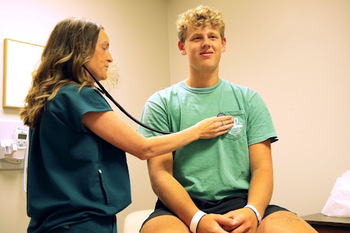 Before the season starts, make sure your young athlete is healthy enough to participate safely.
A sports physical, also called a preparticipation physical evaluation (PPE), checks for health concerns that could affect a child or young adult during sports or physical activity. The visit includes a review of their medical history and a focused physical exam.
At Iowa Specialty Hospitals & Clinics, our family medicine providers can complete sports physicals for children, teens, and young adults while considering their health history, past injuries, medications, and individual needs.
Do not wait until the day before practice starts. Schedule your athlete's physical early so there is time to address any concerns before the season begins.
What Happens During a Sports Physical?
A sports physical is an exam that helps determine if a child, teen, or young adult can safely participate in a sport or athletic activity.
The visit usually includes two main parts:
- Review of personal and family medical history
Your provider will talk with you about any past injuries, breathing problems, symptoms during exercise, medications, allergies, and family health history.
This can help uncover concerns that may not be obvious during the exam.
- Physical exam focused on health and movement
A sports physical focuses on areas that are important for activity, including your heart, lungs, vision, muscles, joints, strength, flexibility, and movement.
Your provider will also check your height, weight, blood pressure, and pulse. The exact exam may vary based on your age, health history, and sport.
The goal is not simply to complete a form. Your provider looks for health concerns, past injuries, or other issues that could affect safe participation.
Why Are Sports Physicals Important?
A sports physical examination helps your provider look for health concerns that could affect your child while they practice or compete.
Identify Health Concerns Early
A youth sports physical can help find health concerns early, giving you time to address them before the season starts.
Your provider may find issues related to breathing, heart health, blood pressure, vision, past injuries, or how your muscles and joints move during activity.
Review Past Injuries
An old ankle sprain, knee injury, fracture, or concussion can still affect an athlete after the pain is gone.
An athlete physical exam gives your provider a chance to review past injuries and decide if more treatment, strengthening, or rehabilitation may help before returning to full activity.
Help Athletes Play Safely
The goal of a youth sports physical is to help athletes participate as safely as possible.
Providers can also offer guidance on conditioning, nutrition, hydration, injury prevention, and safely managing health conditions during activity.
When Should My Child Get a Sports Physical?
Try to schedule the appointment about six to eight weeks before practices or training begin.
This gives your family time to complete additional testing, treatment, or rehabilitation if your provider finds something that needs attention.
Avoid waiting until the day before the first practice or tryout.
Sports physical requirements and deadlines can vary by school, league, and athletic program, so check with your child’s organization before scheduling.
How Often Do Young Athletes Need a Sports Physical?
Many schools and athletic programs require a new sports physical for kids each year or before a new season.
Health can change from one year to the next. A new injury, medication, diagnosis, or symptom may affect how safely an athlete can participate.
Check with your school or athletic program for its current requirements.
Sports Physical Exam vs. Well-Child Visit
A well-child physical and sports physical have some similarities, but they serve different purposes.
| Visit | Main Purpose | Common Focus |
|---|---|---|
| Sports Physical | Determine if an athlete can safely participate in sports | Heart, lungs, muscles, joints, past injuries, exercise symptoms, and sports-related medical history |
| Well-Child Visit | Review overall health and development | Growth, development, vaccines, preventive screenings, nutrition, sleep, behavior, and emotional health |
| Sick Visit | Address a specific illness or concern | Symptoms, diagnosis, treatment, and follow-up |
An athletics physical does not replace a regular well-child visit. A well-child visit looks more broadly at your child’s overall physical, developmental, and emotional health.
What If My Child Has Asthma or Another Health Condition?
Having a health condition does not automatically mean your child cannot play sports.
Your provider can help create a plan for safe participation. For example, an athlete with asthma may need medication changes or guidance for managing symptoms during exercise.
Tell your provider about all current health conditions and medications during the visit.
What If My Child Has Had a Concussion?
Tell your provider about every previous concussion or head injury, even if your child feels fine now.
Past concussions are an important part of the medical history reviewed during a sports physical.
Your family medical care provider can decide if your child needs more evaluation before returning to a contact or high-risk sport.
What If My Child Is Not Cleared Right Away?
A concern found during a sports physical exam for school does not always mean your child cannot play.
Your provider may recommend:
- Additional testing
- A follow-up appointment
- Treatment for a medical condition
- Rehabilitation for an injury
- Changes to medication
- Temporary activity limits
- Participation with certain restrictions
In many cases, addressing the concern can help the athlete return to sports safely.
What Should We Bring to a Sports Physical?
 Coming prepared can make the appointment easier.
Bring:
- Any required school or sports physical form
- A list of current medications and supplements
- Information about allergies
- Details about past injuries
- Information about surgeries or hospital stays
- Relevant family medical health issues
- Immunization records if requested
- Glasses, contacts, braces, or other equipment used during sports
- Questions you or your child want to ask
Also tell your family health care provider about any history of chest pain, dizziness, fainting, unusual shortness of breath, or heat illness during exercise.
Do Schools Require Sports Physicals?
Many schools, athletic programs, and leagues require a sports physical assessment before an athlete can participate.
Requirements can vary by age, grade, school, sport, or organization, so check with your school or athletic department to find out which form you need and when it is due.
Sports Physicals Are for More Than High School Athletes
Sports physicals are often associated with high school athletics, but younger children and young adults may need them too. A physical may be appropriate for athletes participating in:
- High school sports
- Club teams
- Travel sports
- Competitive leagues
- Camps
- Collegiate Sports
- Other organized athletic programs
The organization running the activity can tell you if a physical is required.
Talk About New Symptoms Before the Season
Do not wait for the next sports physical if your child develops a new concern. Contact your healthcare provider if an athlete develops symptoms such as:
- Chest pain during exercise
- Fainting or near-fainting
- Unusual shortness of breath
- New joint pain
- Ongoing pain after an injury
- New dizziness during activity
A change in health may require another evaluation even if the athlete already completed a sports physical earlier in the year.
Help Your Athlete Start the Season Safely
A sports physical gives your family medicine provider a chance to review your athlete’s health, look at past injuries, and identify concerns before practices and games begin.
At Iowa Specialty Hospitals & Clinics, our family medicine team provides care for children, teens, and young adults throughout each stage of growth.
Schedule an appointment early so your athlete has time to address any concerns before the season starts.


